Afternoon lectures start at 14:30 and evening lectures at 19:00
14 April 2026
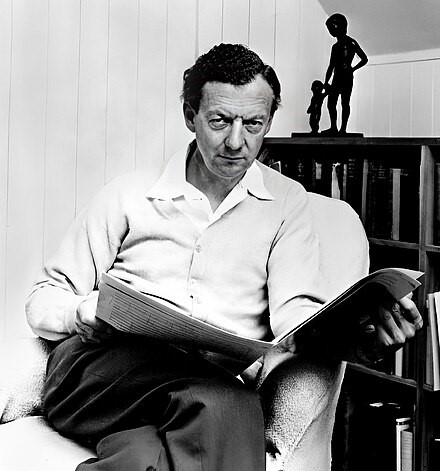
Roger Askew: “A Boy from Lowestoft”
– The Life and Works of Benjamin Britten
2026 will mark the 50th Anniversary of the death of one of this country’s most original and versatile composers, Benjamin Britten.
This lecture “A Boy From Lowestoft – the Life and Works of Benjamin Britten”, illustrated with musical examples and video, will explore the marvellous work of this multifaceted composer. Works like A Young Person’s Guide to the Orchestra, his opera Peter Grimes and the towering War Requiem have had a profound effect on the cultural life of this country.
12 May 2026
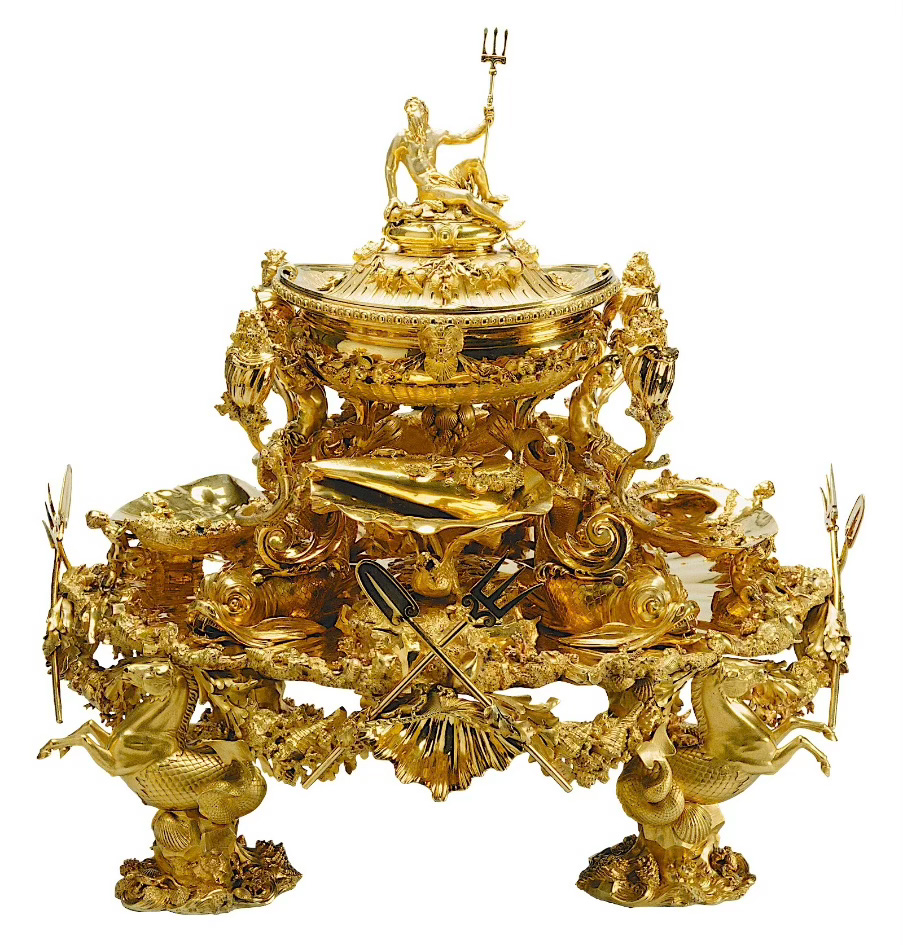
Andrew Prince: The Taste of Splendour: How dining changed the world.
Throughout all of history, eating together has evolved in form, function and purpose. Elaborate rituals were developed, particularly in ancient Persia and Rome, finally culminating in the glittering opulent State Banquets at the courts of Versailles and Imperial St Petersburg. In this talk, Andrew illustrates how these powerful occasions were intended to display the taste, wealth, influence and political power of the host, together with the creation of some of the most beautiful objects ever designed.
9 June 2026
Lucrezia Walker: Piero della Francesca
“The greatest picture in the world” was Aldous Huxley’s description of Piero della Francesca’s Resurrection. It was the memory of this description which in WW2 caused Tony Clark to disobey orders to bomb Piero’s native city of San Sepolcro. David Hockney, who frequently references Piero’s work, admired Mr Clark’s decision. Mathematician, geometrician, painter, Piero was one of the greatest artists of the 15th-century. His work is both serene and mysterious, and his fresco cycle of the Legend of the True Cross in Arezzo is one of the most famous of early Renaissance works. Join us to look at his life and work across the city states of quattrocento Italy.
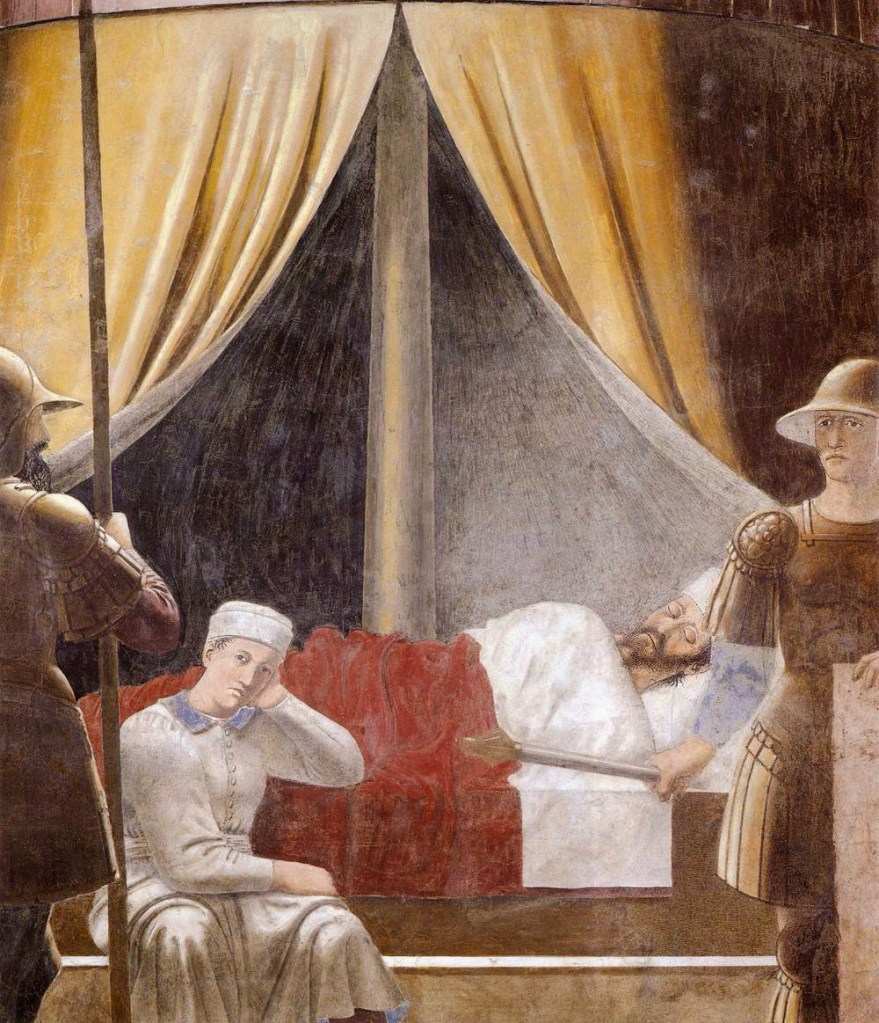
Piero della Francesca’s Dream of Constantine
 Edinburgh Decorative & Fine Arts Society